Advanced Specialty Welding for Extreme Industrial Environments
Industrial welding is evolving rapidly as energy, petrochemical, and heavy manufacturing sectors demand stronger, longer-lasting, and more corrosion-resistant solutions. According to Integrated Global Services (IGS), modern specialty welding is increasingly focused on extending asset life while minimizing downtime in high-temperature and high-corrosion environments.
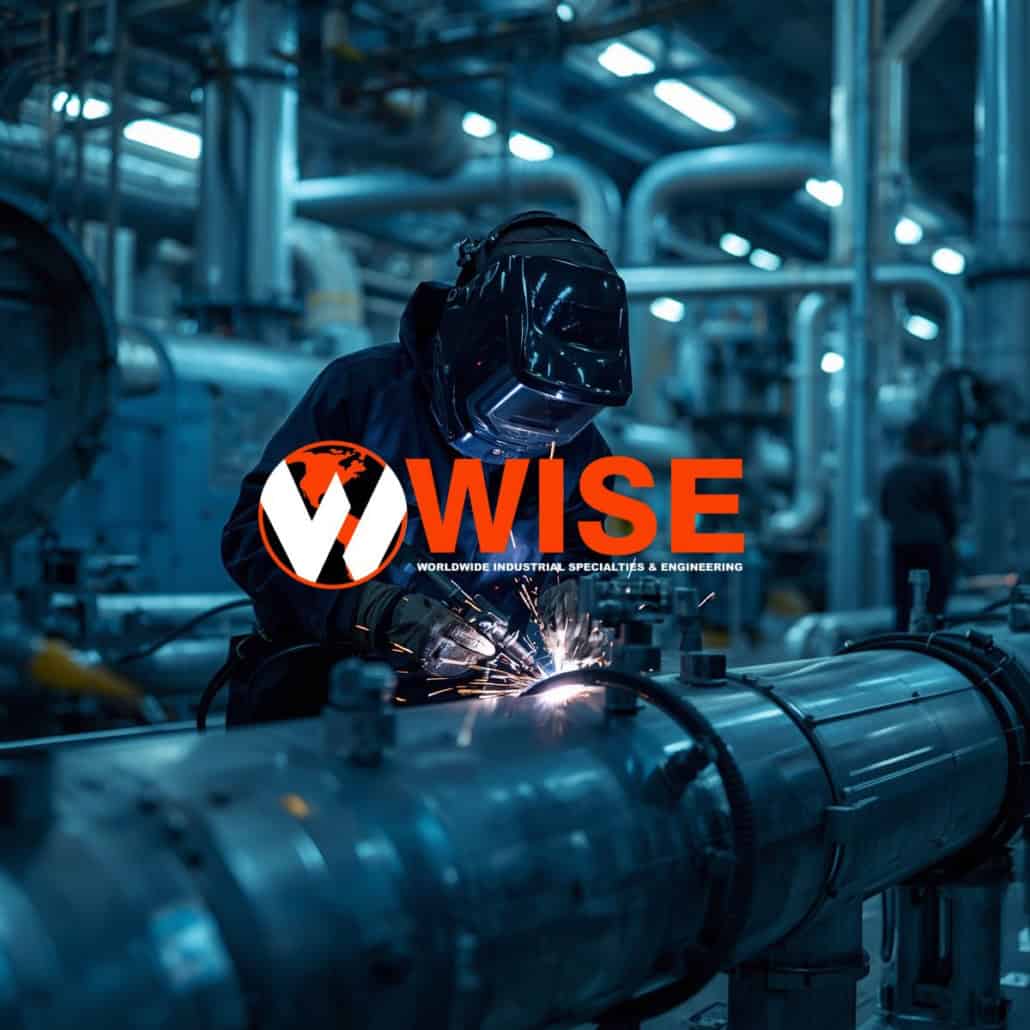
At WISE Specialties, specialty welding is one of the company’s core capabilities, supporting complex industrial operations involving piping systems, boilers, reformers, heaters, and pressure equipment. The industry is now moving beyond conventional welding methods toward advanced overlay technologies, automated welding systems, and exotic alloy applications.
According to WSI Solutions, automated weld overlay and corrosion-resistant alloys such as Inconel and Hastelloy are becoming essential in industries operating under extreme thermal and chemical stress. These technologies help facilities reduce maintenance cycles and avoid unplanned shutdowns.
Another major trend in 2025 and 2026 is the integration of automation into field welding operations. Robotics-assisted welding, digital inspection systems, and AI-enhanced quality control are helping companies improve precision while maintaining strict industry compliance.
Exotic alloy expertise is becoming increasingly valuable as refineries and industrial plants push equipment to higher operational demands. Austenitic stainless steel, duplex alloys, titanium, and ferritic chromes are now widely used for critical infrastructure requiring superior corrosion and heat resistance.
The future of industrial welding is no longer only about joining metals — it is about engineering long-term reliability, efficiency, and operational resilience.
Sources
- Integrated Global Services (IGS)
- WSI Solutions

