Boiler Tube Welding in Tight Spaces: Why Consistency Becomes the Main Challenge
Boiler tube work often involves many similar-looking joints, but the physical conditions around each weld can vary significantly. Nearby tubes, membranes, headers, casing, elevation, and repair location alter access and visibility. The central challenge is producing repeatable quality across every joint despite those changing conditions.
Dense Tube Geometry Limits Movement
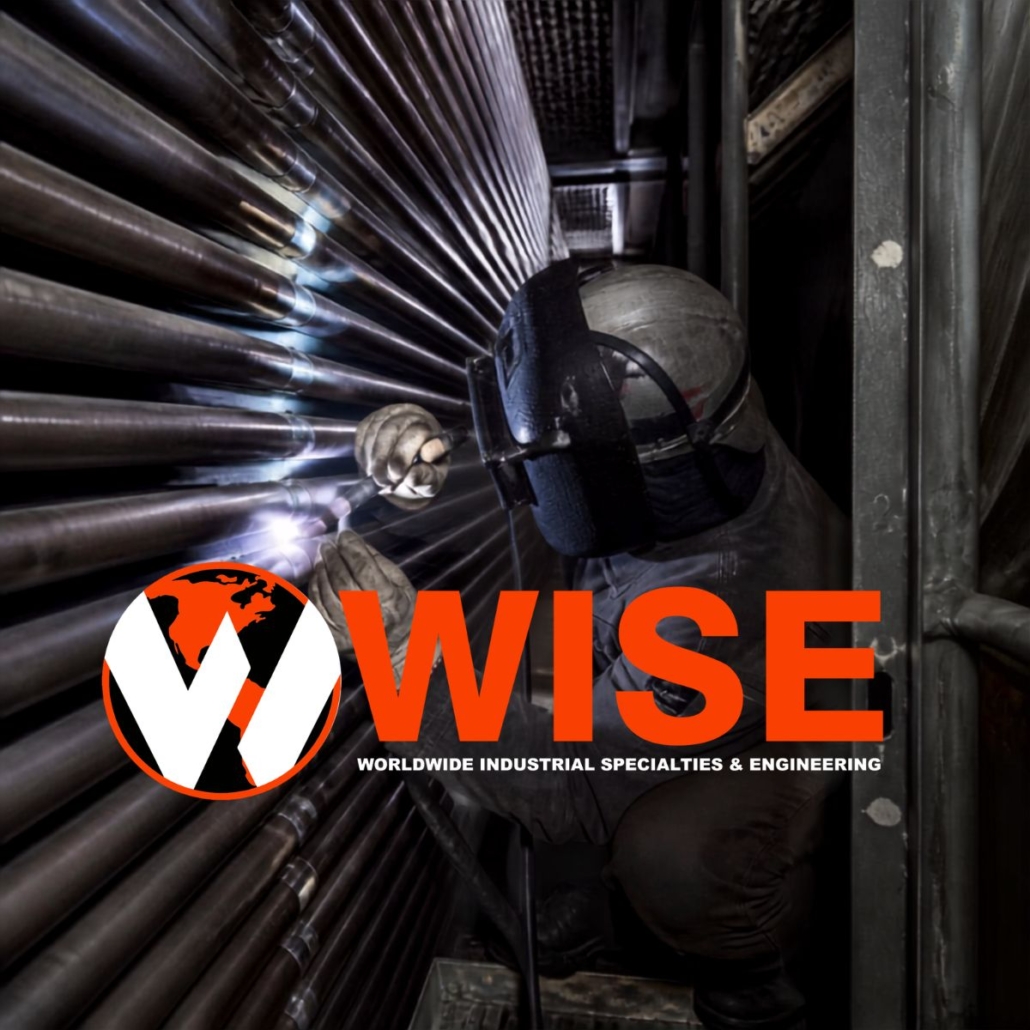
The welder may have only a narrow window for the torch or electrode. Body position, hand support, and line of sight become part of the technique. Restricted access can make starts, stops, and tie-ins more difficult than the same joint performed in open space.
Tube-End Preparation Must Be Uniform
Small-diameter tube joints are sensitive to bevel condition, root face, gap, and mismatch. Variations that appear minor can change penetration and increase the risk of burn-through or incomplete fusion.
Heat Accumulates Across the Repair Area
When multiple adjacent tubes are welded, local temperature can rise from one joint to the next. Sequence and interpass control help avoid excessive heat accumulation and distortion.
Cleanliness Is Harder but Still Essential
Boiler environments can contain scale, ash, oxide, moisture, and residue. The repair zone must be cleaned sufficiently to expose sound material and protect the weld pool. Tight access should not become a reason to accept poor surface preparation.
Repair Sequence Affects Productivity
Cutting, fitting, tacking, welding, inspection, and access restoration should be coordinated. A poorly planned sequence can block later joints or force unnecessary removal of completed work.
- Standardize tube preparation
- Confirm realistic welding access
- Plan adjacent-joint sequence
- Monitor heat accumulation
- Protect inspection access

