
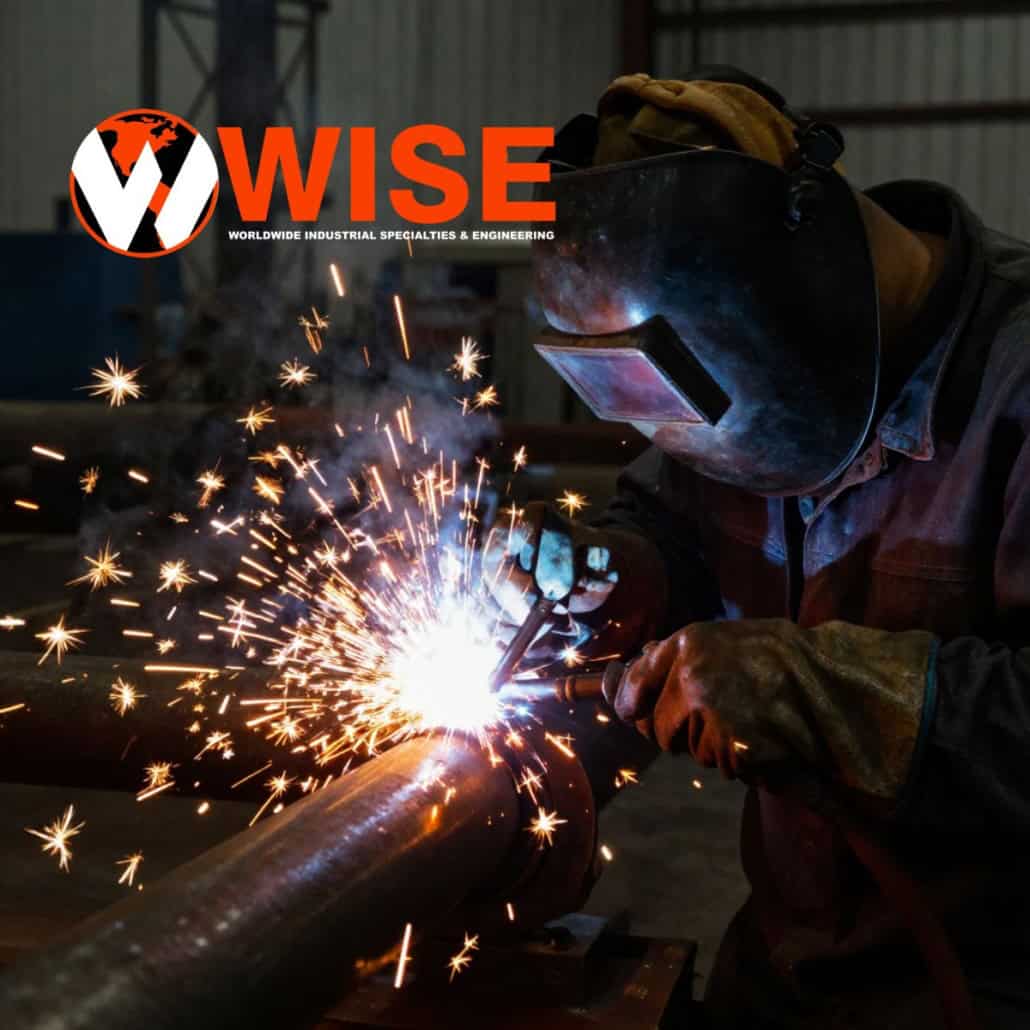
The Certified Welder Shortage Reshaping Refineries and Shipyards in 2026
The certified welder shortage in refineries and shipyards is no longer a background concern for project managers and plant superintendents — it is a front-line operational constraint that is delaying schedules, driving up costs, and forcing facilities to make difficult choices about which work gets done on time. In 2026, the welding workforce is under more pressure than at any point in the past two decades.
The Scale of the Problem
According to the American Welding Society, the industry needs to fill approximately 80,000 welding positions per year through 2029. The average age of an active U.S. welder is 55, and roughly 30% of the current workforce is approaching retirement eligibility. The replacements are not arriving at the same pace.
In Texas alone — the country’s most active state for refinery, petrochemical, and shipyard welding — more than 28,000 welding positions are currently active. The Gulf Coast corridor from Corpus Christi to Beaumont and into Louisiana represents the highest concentration of certified welder demand in the Western Hemisphere.
Where the Pressure Is Sharpest
Not all welding roles carry the same weight. The positions under acute pressure are the specialized certifications that critical industrial environments require:
- 6G pipe welders for refinery and petrochemical piping systems
- TIG welders for precision work on exotic alloys and pressure-critical components
- Structural welders for shipyard hull work, vessel repair, and heavy fabrication
- Overlay and manual cladding specialists for corrosion-resistant applications in chemical environments
A 6G-certified pipe welder in the Gulf Coast corridor commands $35–$55 per hour on standard project work — and in peak turnaround season, qualified candidates are simply unavailable through standard recruiting channels at any price.
How This Affects Facility Operations
When certified welders are unavailable, the consequences cascade. Turnaround scopes shrink because the crew cannot execute the full work list. New piping installations are deferred. Pressure vessel repairs requiring specific weld certifications wait — sometimes until the next planned outage cycle, compounding deferred maintenance and risk.
In shipyards, the structural shortfall is even more pronounced. McKinsey analysis of U.S. Department of Labor data projects a shortfall of 200,000 to 250,000 shipbuilding workers over the next decade, with welders representing the single largest unfilled category.
The WISE Difference in a Tightening Market
Facilities that maintain relationships with specialty welding partners before a project opens are consistently better positioned than those who begin sourcing when mobilization day approaches. WISE maintains an active network of certified welders — MIG, TIG, and 6GR — with proven experience in refinery, shipyard, and petrochemical environments, deployable for both project-based work and ongoing maintenance support across the Gulf Coast.

