
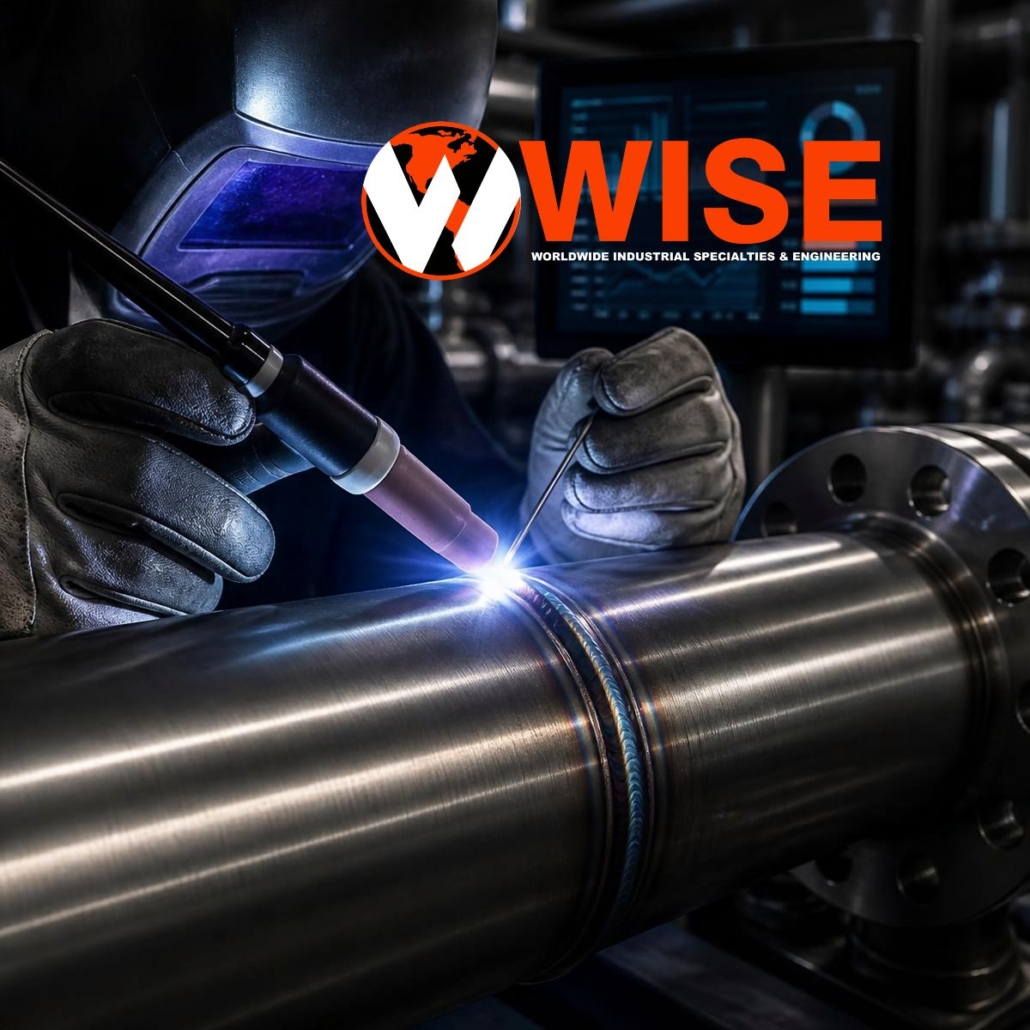
Duplex and Super Duplex Welding: The Balance Behind Corrosion Resistance
Duplex stainless steels combine two primary metallurgical phases. That balance gives them a valuable combination of strength and corrosion resistance, but welding changes the local thermal history and can disturb the structure that makes the alloy useful.
Why Heat Input Has Both Lower and Upper Concerns
Too little heat can produce rapid cooling and an unfavorable phase balance. Too much heat, or prolonged exposure in certain temperature ranges, can encourage harmful phase formation and reduce corrosion performance. The qualified procedure defines the workable window.
Interpass Temperature Is Part of Heat Control
Even when each bead uses acceptable parameters, the joint can accumulate heat. Measuring and respecting interpass limits prevents the next pass from starting while the material is too hot.
Filler Metal Supports the Desired Structure
Filler selection is designed to help achieve the required weld-metal chemistry and phase balance. Substituting a convenient filler because it is available can undermine the intended performance of the joint.
Root Protection Prevents Oxidation
Duplex pipe roots require effective shielding. Heavy oxidation is not merely an appearance issue; it affects the surface expected to resist process exposure. Purge quality, sealing, gas purity, and duration all matter.
Cleaning Must Avoid Contamination
Dedicated tools help prevent embedded carbon steel and other contamination. Heat tint and oxide removal requirements should follow the project specification and intended service.
- Work within the qualified heat-input range
- Measure interpass temperature
- Use the specified filler metal
- Protect the root with controlled purging
- Use dedicated cleaning tools

