Piping and Specialty Welding in Oil & Gas: What Certifications Actually Matter
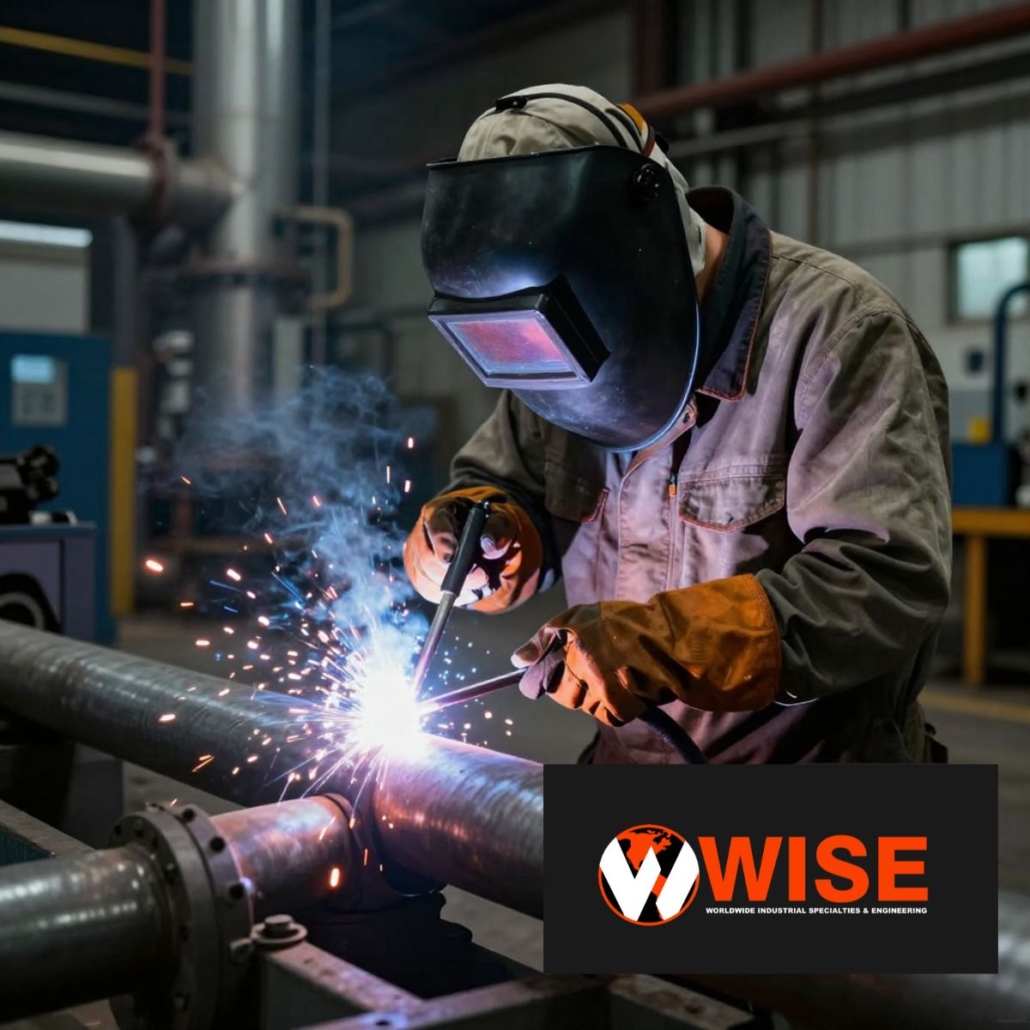
In oil and gas operations, a weld is not just a connection between two pieces of metal — it is a safety-critical joint that must perform reliably under pressure, temperature, and chemical exposure for years without failure. Piping and specialty welding certifications in oil and gas exist because the consequences of a substandard weld in a high-pressure system are not just operational — they are potentially catastrophic. Understanding which certifications apply to which scope is what separates a project that passes inspection from one that generates costly rework.
The Certification Hierarchy Field Supervisors Actually Use
Not every certified welder qualifies for every scope in oil and gas. Project engineers and QA managers evaluate certifications based on the specific process, position, and material combination the work requires:
- 6G Pipe Welding (ASME IX) — The industry standard for refinery, petrochemical, and power plant pipe welders. Qualifies all pipe positions from a single test.
- ASME Section IX Procedure Qualification Records (PQR) — Required for pressure-containing components under ASME Boiler and Pressure Vessel Code
- AWS D1.1 Structural Welding — Required for structural steel and support systems in industrial facilities
- API 1104 — Specific to pipeline construction and maintenance in transmission and gathering segments
- Manual Overlay Procedures — Required for internal cladding restoration in vessels and piping experiencing erosion-corrosion
The Piping Scope in Refinery and Petrochemical Projects
Piping work in a refinery or chemical plant spans new spool fabrication, in-place repair, tie-in welding, and specialty applications like manual overlay for corrosion protection. Each application has its own procedure, certification requirement, and quality standard. For turnaround projects, piping scope is typically the largest single component of welding hours — and the ability to staff certified pipe welders quickly and with the right procedure qualifications for the alloys in the unit is what separates a well-executed turnaround from one that overruns on time and budget.
What This Means for Staffing Decisions
When evaluating a welding staffing partner for oil and gas piping work, the relevant question is not whether they can provide welders. It is whether they can provide welders with the specific certifications the scope requires, who have executed similar work in comparable process environments, and who will pass site qualification tests without additional preparation time. WISE maintains procedure-qualified welders across the full range of oil and gas piping certifications — for both routine maintenance and turnaround deployment.

