Dissimilar Metal Welding: Managing Two Base Materials in One Joint
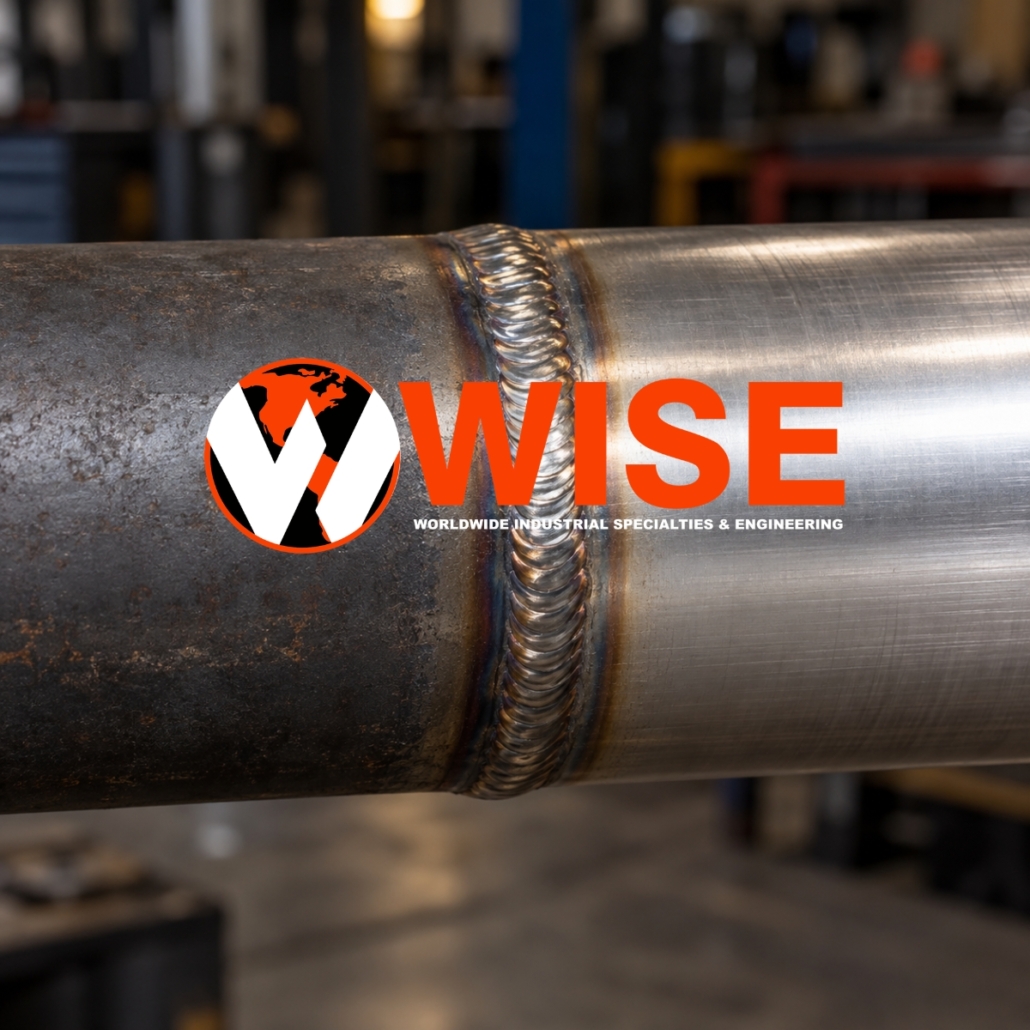
Dissimilar metal welding joins materials with different chemical compositions, thermal expansion rates, strength levels, corrosion behavior, or high-temperature performance. These joints are common in industrial facilities where carbon steel transitions to stainless steel, low-alloy steel connects to nickel alloy, or equipment upgrades introduce materials different from the original system.
The Filler Metal Must Manage Both Sides
Filler selection is not based only on matching one base material. The deposited weld must tolerate dilution from both sides while providing the required strength and service compatibility. In many applications, nickel-based fillers are selected because they can accommodate differences in chemistry and thermal expansion.
Dilution Changes the Weld Chemistry
As each base metal melts into the weld pool, the final weld-metal composition shifts. Excessive penetration or an unsuitable bead sequence can increase dilution and move the chemistry away from the intended range.
Different Materials Expand Differently
During startup, shutdown, and temperature cycling, the two sides of a dissimilar joint may expand at different rates. This can concentrate stress near the fusion boundary. Joint design, filler choice, heat treatment, and service temperature all influence long-term reliability.
PWHT Can Complicate the Joint
One material may require post-weld heat treatment while the other may respond poorly to the same cycle. This conflict must be addressed during engineering and procedure qualification rather than after the joint is already welded.
- Identify both base metals accurately
- Evaluate service temperature and corrosion exposure
- Select filler for dilution and compatibility
- Control heat input and bead placement
- Review PWHT requirements before welding begins


Leave a Reply
Want to join the discussion?Feel free to contribute!