Preheat and Interpass Temperature: Why Thermal Control Starts Before the First Arc
Preheat is sometimes treated as a simple instruction to warm the joint before welding. In industrial work, it is part of a broader thermal-control strategy. The temperature of the base metal before the first arc, the temperature maintained between passes, and the way the joint cools afterward can all affect hardness, hydrogen behavior, cracking risk, and final weld properties.
Preheat Slows the Cooling Rate
Cold, thick steel can pull heat away from the weld very quickly. A controlled preheat reduces that temperature difference and slows cooling through critical ranges. This can help limit hard, brittle microstructures in susceptible carbon and low-alloy steels.
Hydrogen Needs Time to Escape
Moisture, contaminated surfaces, and certain consumables can introduce hydrogen into the weld area. When a susceptible microstructure, tensile stress, and diffusible hydrogen occur together, delayed cracking can develop after the weld appears complete. Preheat helps reduce this risk by allowing hydrogen more time to diffuse away from the joint.
Interpass Temperature Is a Separate Limit
The joint may continue getting hotter as each bead is added. That is why procedures often specify both a minimum preheat and a maximum interpass temperature. Starting too cold can be harmful, but allowing the joint to become excessively hot can also alter properties, increase distortion, or exceed the qualified procedure window.
Thickness and Restraint Matter
Large sections, heavy-wall piping, highly restrained joints, and low ambient temperatures can change how quickly heat leaves the weld area. The same welding parameters may behave differently on a thin shop assembly than on a massive field component.
- Verify the specified minimum preheat
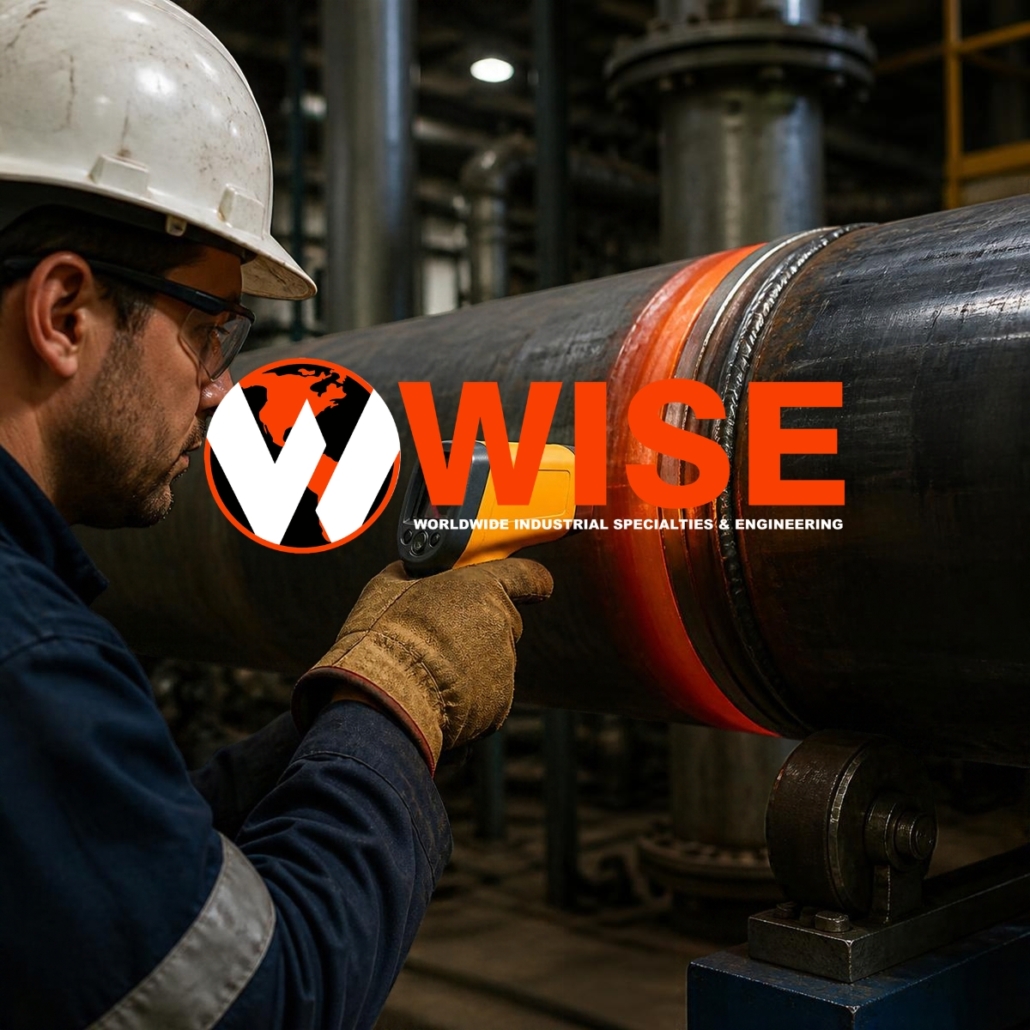
- Measure at the required distance from the joint
- Maintain temperature during interruptions
- Check maximum interpass limits before the next bead
- Use calibrated temperature-indicating methods


Leave a Reply
Want to join the discussion?Feel free to contribute!