Why Turnaround Success Starts With the Right Welding Crew

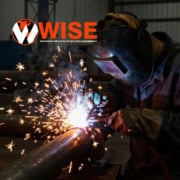
A refinery turnaround is one of the most complex project environments in the industrial world. Hundreds of contractors, compressed timelines, 24-hour continuous shift operations, and zero margin for rework. At the center of every successful refinery turnaround welding operation is a crew that does not need to learn on the job — professionals who have been inside shutdowns before, who understand the pace, the protocols, and the pressure of getting a unit back online on schedule.

The Turnaround Environment Is Different From Standard Industrial Work

Experienced project managers consistently identify the same root cause of turnaround schedule overruns: not scope definition or material availability — but insufficient certified welders and mechanical specialists mobilized and ready when the outage window opens. Turnaround procurement for specialty welding and mechanical services typically begins 6 to 12 months before execution. Yet many facilities still treat crew sourcing as a 30-to-60-day activity. That gap is where schedules slip.

What a Turnaround Welding Crew Actually Requires

  • Proven shutdown experience — not just general industrial welding background
  • Current certifications specific to the process scope: piping, vessels, heaters, reformers, boilers
  • Capability to work under extreme conditions — WISE turnaround specialists operate at temperatures from 150°F to 380°F without disrupting ongoing site operations
  • Safety credentials and site protocol compliance from day one of mobilization
  • Integrated rigging capability for vessel, exchanger, and tower field work

Welding Scope Inside a Turnaround

The welding scope in a typical refinery or petrochemical turnaround spans multiple systems simultaneously. Piping repairs and replacements. Pressure vessel weld overlay and cladding restoration. Heater and furnace tube replacements. Boiler tube welding. Reformer repairs requiring specialty alloy procedures. Each requires a different certification profile — and executing multiple scopes in parallel demands depth, not just headcount.

Planning Your Crew Before the Window Opens

The facilities that complete turnarounds on schedule are the ones that commit to their welding and mechanical crew earlier than feels necessary. When you begin sourcing 90 days out, you are competing for the same certified professionals as every other Gulf Coast facility with an overlapping turnaround window. WISE maintains ready crews for exactly these environments — turnaround-proven welders with the certifications and site experience your outage requires.
The Certified Welder Shortage Reshaping Refineries and Shipyards in 2026

The certified welder shortage in refineries and shipyards is no longer a background concern for project managers and plant superintendents — it is a front-line operational constraint that is delaying schedules, driving up costs, and forcing facilities to make difficult choices about which work gets done on time. In 2026, the welding workforce is under more pressure than at any point in the past two decades.

The Scale of the Problem

According to the American Welding Society, the industry needs to fill approximately 80,000 welding positions per year through 2029. The average age of an active U.S. welder is 55, and roughly 30% of the current workforce is approaching retirement eligibility. The replacements are not arriving at the same pace.

In Texas alone — the country’s most active state for refinery, petrochemical, and shipyard welding — more than 28,000 welding positions are currently active. The Gulf Coast corridor from Corpus Christi to Beaumont and into Louisiana represents the highest concentration of certified welder demand in the Western Hemisphere.

Where the Pressure Is Sharpest

Not all welding roles carry the same weight. The positions under acute pressure are the specialized certifications that critical industrial environments require:

  • 6G pipe welders for refinery and petrochemical piping systems
  • TIG welders for precision work on exotic alloys and pressure-critical components
  • Structural welders for shipyard hull work, vessel repair, and heavy fabrication
  • Overlay and manual cladding specialists for corrosion-resistant applications in chemical environments

A 6G-certified pipe welder in the Gulf Coast corridor commands $35–$55 per hour on standard project work — and in peak turnaround season, qualified candidates are simply unavailable through standard recruiting channels at any price.

How This Affects Facility Operations

When certified welders are unavailable, the consequences cascade. Turnaround scopes shrink because the crew cannot execute the full work list. New piping installations are deferred. Pressure vessel repairs requiring specific weld certifications wait — sometimes until the next planned outage cycle, compounding deferred maintenance and risk.

In shipyards, the structural shortfall is even more pronounced. McKinsey analysis of U.S. Department of Labor data projects a shortfall of 200,000 to 250,000 shipbuilding workers over the next decade, with welders representing the single largest unfilled category.

The WISE Difference in a Tightening Market

Facilities that maintain relationships with specialty welding partners before a project opens are consistently better positioned than those who begin sourcing when mobilization day approaches. WISE maintains an active network of certified welders — MIG, TIG, and 6GR — with proven experience in refinery, shipyard, and petrochemical environments, deployable for both project-based work and ongoing maintenance support across the Gulf Coast.

Contact WISE to discuss your upcoming welding workforce needs — before your project window closes.

The Future of Industrial Piping Is Precision, Automation, and Reliability

Industrial piping systems are becoming increasingly sophisticated as industries demand higher safety standards, greater corrosion resistance, and more efficient maintenance strategies.

According to WISE Specialties, piping services remain one of the most critical components of industrial operations involving refineries, petrochemical plants, boilers, and process systems.

In recent years, the industry has moved toward automated welding systems, digital inspections, and advanced corrosion-resistant materials. Integrated Global Services (IGS) highlights how automated field welding and weld overlay technologies are helping facilities extend asset life while reducing shutdown risks.

One major innovation is the use of digital integrity analysis. Sensors, AI-driven monitoring systems, and predictive maintenance platforms now allow operators to detect stress points, wall thinning, and corrosion before failures occur.

According to The Robot Report, robotic inspection systems are also becoming more common in piping infrastructure, especially in hazardous environments where traditional inspections are difficult.

Advanced alloys such as Inconel, Hastelloy, and Duplex Stainless Steel are increasingly used in piping systems exposed to corrosive chemicals and extreme temperatures.

The future of industrial piping will depend on precision engineering, advanced metallurgy, intelligent monitoring, and highly specialized field execution capable of maintaining operational continuity in demanding industrial environments.

Industrial Furnaces and Heaters Are Entering a New Technological Era

Industrial heaters and furnaces remain among the most critical systems in refineries, petrochemical plants, and heavy manufacturing facilities. In 2025 and 2026, these systems are evolving through smarter monitoring technologies, advanced materials, and predictive maintenance strategies.

According to WISE Specialties, heaters and furnaces require highly specialized mechanical and welding expertise due to the extreme thermal environments in which they operate.

One of the biggest innovations in the sector is the integration of digital monitoring systems capable of tracking temperature distribution, structural stress, and corrosion behavior in real time. Automation World reports that industrial AI systems are increasingly being used to improve furnace efficiency while reducing unplanned shutdowns.

Advanced overlay welding and corrosion-resistant alloys are also extending furnace component life. According to WSI Solutions, automated weld overlay technologies are helping operators reduce thermal fatigue and corrosion-related failures in high-temperature environments.

Another emerging trend is robotics-assisted inspection. Drones and robotic crawlers are now being deployed inside confined industrial spaces to inspect furnace tubes, ducts, and structural components safely and efficiently.

The future of industrial heating systems will combine advanced metallurgy, predictive analytics, robotics, and intelligent monitoring to improve reliability and operational performance across critical industries.

Turnaround Services Are Becoming Smarter and More Predictive

Industrial turnarounds have traditionally depended on reactive maintenance and compressed schedules. In 2025 and 2026, however, the industry is shifting toward predictive planning, digital inspection technologies, and smarter execution strategies.

According to WISE Specialties, turnaround services now require highly specialized mechanical expertise capable of operating safely under extreme industrial conditions. Modern turnaround operations involve vessels, exchangers, field machining, technical bolting, and high-temperature mechanical repairs executed under strict timelines.

One of the biggest industry changes is the use of predictive maintenance technologies. Automation World reports that industrial facilities are increasingly integrating AI-driven monitoring systems and digital inspections to identify failures before shutdowns become critical.

Drone inspections, thermal imaging, digital twins, and real-time integrity analysis are now helping maintenance teams reduce downtime and improve turnaround planning. These technologies are especially important in refineries and petrochemical facilities where every hour of shutdown represents significant operational cost.

Another major trend is the integration of robotics into maintenance environments. According to The Robot Report, robotic inspection systems are increasingly being used in hazardous or high-temperature environments where human access is limited or dangerous.

At the same time, companies are investing heavily in workforce specialization. Skilled mechanical crews capable of operating under extreme turnaround conditions remain critical despite the rise of automation.

The future of turnaround services will combine predictive technologies, advanced inspection systems, robotics, and elite field execution to maximize operational reliability.

Exotic Alloys Are Redefining Industrial Reliability

As industrial processes become more demanding, traditional materials are no longer sufficient for many high-temperature and corrosive environments. According to WISE Specialties, industries such as refining, petrochemical processing, and energy generation increasingly depend on exotic alloy welding expertise to maintain operational reliability.

Materials including Inconel, Hastelloy, Duplex Stainless Steel, Super Duplex, Manaurite, and Titanium are becoming critical in modern industrial operations. These alloys provide exceptional resistance against corrosion, thermal fatigue, sulfidation, and chemical degradation.

According to Welding Alloys Group, advanced welding consumables and automated welding systems are helping industrial operators extend equipment life while reducing maintenance costs and operational interruptions.

Another important trend is the use of weld overlay technologies combined with high-performance alloys. Integrated Global Services (IGS) highlights how overlay solutions are increasingly used to restore pressure boundaries and improve corrosion resistance in critical industrial assets.

The industry is also evolving toward more automated welding environments. AI-assisted inspection systems, digital quality monitoring, and robotic welding platforms are improving precision while helping companies meet stricter operational standards.

At WISE Specialties, exotic alloy expertise remains an essential part of supporting critical industrial infrastructure under some of the most demanding operating conditions in the world.

Advanced Specialty Welding for Extreme Industrial Environments

Industrial welding is evolving rapidly as energy, petrochemical, and heavy manufacturing sectors demand stronger, longer-lasting, and more corrosion-resistant solutions. According to Integrated Global Services (IGS), modern specialty welding is increasingly focused on extending asset life while minimizing downtime in high-temperature and high-corrosion environments.

At WISE Specialties, specialty welding is one of the company’s core capabilities, supporting complex industrial operations involving piping systems, boilers, reformers, heaters, and pressure equipment. The industry is now moving beyond conventional welding methods toward advanced overlay technologies, automated welding systems, and exotic alloy applications.

According to WSI Solutions, automated weld overlay and corrosion-resistant alloys such as Inconel and Hastelloy are becoming essential in industries operating under extreme thermal and chemical stress. These technologies help facilities reduce maintenance cycles and avoid unplanned shutdowns.

Another major trend in 2025 and 2026 is the integration of automation into field welding operations. Robotics-assisted welding, digital inspection systems, and AI-enhanced quality control are helping companies improve precision while maintaining strict industry compliance.

Exotic alloy expertise is becoming increasingly valuable as refineries and industrial plants push equipment to higher operational demands. Austenitic stainless steel, duplex alloys, titanium, and ferritic chromes are now widely used for critical infrastructure requiring superior corrosion and heat resistance.

The future of industrial welding is no longer only about joining metals — it is about engineering long-term reliability, efficiency, and operational resilience.

Sources

  • Integrated Global Services (IGS)
  • WSI Solutions

Manual Overlay Welding: Extending Equipment Life in Heavy Industry

In heavy industry, equipment wear is inevitable — but premature replacement is not.

Manual overlay welding is a specialized process used to restore and protect industrial components exposed to corrosion, abrasion, and high heat.

Overlay welding applies a protective layer of alloy material to extend equipment life and improve performance.

This process requires:

  • Material compatibility knowledge

  • Precise deposition control

  • Surface preparation expertise

  • Skilled manual execution

WISE provides manual overlay welding services that help facilities reduce replacement costs and extend asset lifespan.

Protecting equipment is often more cost-effective than replacing it.

📞 Contact WISE to discuss overlay welding solutions for your operation.

Inconel Welding for High-Temperature Industrial Applications

In high-temperature industrial environments, material selection determines performance longevity. Inconel and similar nickel-based alloys are designed to resist heat, oxidation, and extreme stress.

Welding Inconel requires precision heat management and contamination control. Improper welding can weaken the alloy’s protective properties.

WISE welders are experienced in high-temperature alloy applications, supporting:

  • Refinery components

  • Furnace systems

  • Reformers

  • High-heat piping systems

Our specialized welding procedures ensure structural integrity in extreme operating conditions.

High-temperature applications demand high-level expertise.

Duplex & Super Duplex Welding for Corrosion-Resistant Systems

Duplex and Super Duplex stainless steels are widely used in offshore, oil & gas, and chemical processing due to their high strength and corrosion resistance.

However, welding Duplex materials requires strict control of phase balance and heat input. Poor execution can reduce corrosion resistance and structural performance.

Professional duplex welding requires:

  • Controlled cooling rates

  • Proper filler material selection

  • Certified welding procedures

  • Inspection-ready finishing

WISE provides qualified welders experienced in corrosion-resistant applications where structural reliability is critical.

For environments exposed to saltwater, chemicals, and high pressure, duplex welding expertise makes a measurable difference.

📞 Contact WISE for duplex welding support.