Exotic Alloy Welding: The Most Critical Skill in Petrochemicals
In petrochemical, refinery, and chemical processing environments, not all welds carry the same technical weight. Exotic alloy welding in petrochemical plants — working with Inconel, Hastelloy, Duplex stainless, Titanium, Manaurite, and other high-performance materials — represents a level of complexity that separates a general industrial welder from a true specialty professional. And in 2026, these specialists are among the scarcest technical resources in the Gulf Coast labor market.
Why Exotic Alloys Are Used in Critical Process Equipment
Chemical processing environments expose equipment to conditions that destroy conventional carbon steel in months: extreme temperatures, corrosive process fluids, high-pressure hydrogen service, sulfidic attack, and combinations of mechanical stress and chemical degradation that only advanced metallurgy can survive. The alloys selected for these environments each serve a specific purpose:
- Austenitic Stainless Steel (304, 316, 321): Corrosion resistance in chemical and process environments
- Duplex / Super Duplex: High strength and chloride stress corrosion cracking resistance in offshore and refinery service
- Inconel / Incoloy: Thermal stability in reformers, heater tubes, and high-temperature furnace components
- Hastelloy: Chemical resistance in aggressive acid service — reactors and heat exchangers in chemical plants
- Titanium: Corrosion immunity in specific chemical service and offshore environments
- Manaurite and Ferritic Chromes: High-temperature service in reformer tubes and furnace internals
Why These Welds Are So Hard to Execute Correctly
Each alloy family has specific preheat requirements, interpass temperature controls, filler metal specifications, and post-weld heat treatment protocols. A deviation on Duplex stainless, for example, destroys the duplex microstructure and eliminates corrosion resistance — without any visible indication until the component fails in service.
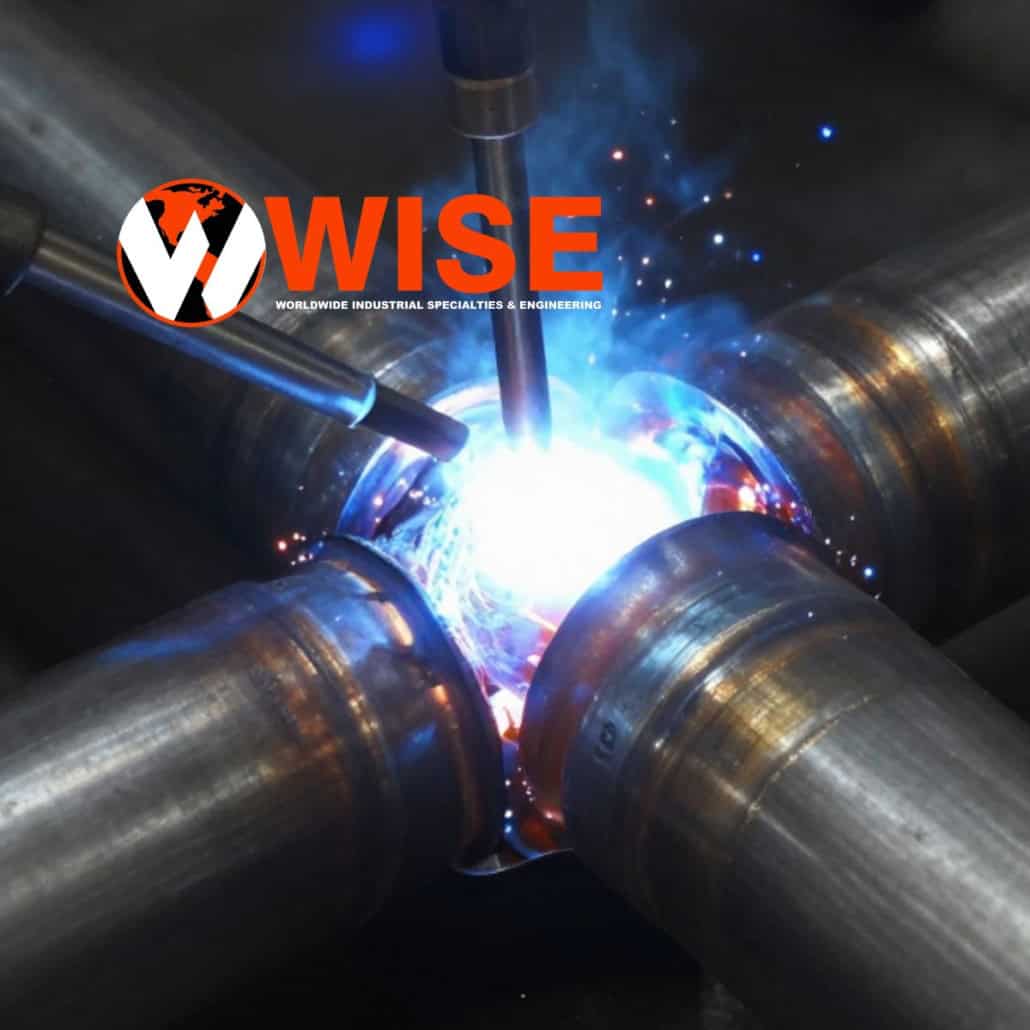
Welders working these materials must hold procedure-specific qualifications, maintain current certifications, and demonstrate the manual skill to execute TIG and advanced SMAW procedures on materials that have zero tolerance for defects.
The Staffing Reality for Exotic Alloy Work
Qualified exotic alloy welders are among the scarcest technical professionals in the industrial market. Their skills take years to develop, their certifications require ongoing maintenance, and their experience is concentrated in a small number of facilities and geographic corridors. For maintenance shutdowns, new construction, and emergency repairs, having access to these professionals when the work arises — not after a weeks-long search — determines whether a repair stays on schedule or becomes a critical path event.
